Scammed by a webshop? How to try to get your money back
Keep the evidence, write to the webshop and contact your bank quickly. Your options depend on the problem and how you paid.
By Bo KristensenPublished 4 min read
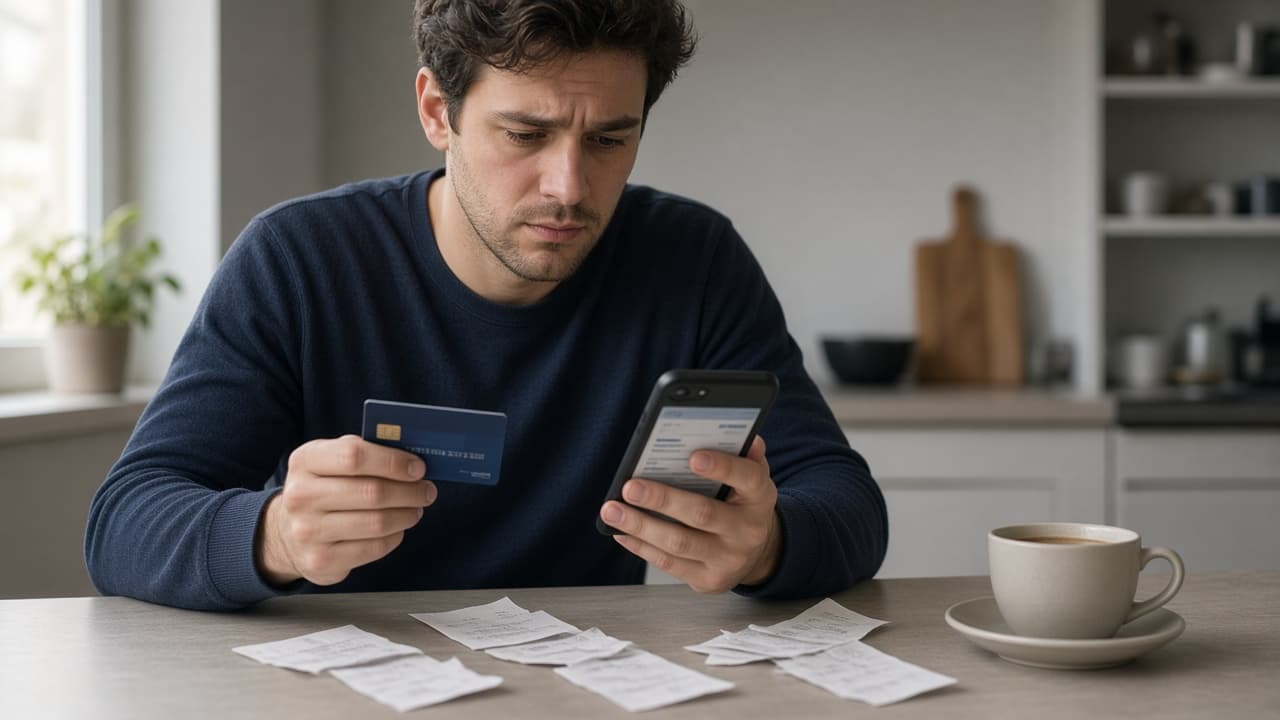
Act quickly, but start by working out what has happened
A delayed parcel is not necessarily fraud. And an item in the wrong size is not handled in the same way as an item that is never delivered. Before you go further, describe the problem as precisely as possible.
It may be, for example, that:
- the item was never sent or delivered
- you received a completely different item from the one you ordered
- the item is faulty or differs from the description
- the shop charged more than agreed
- a payment or subscription appeared that you did not approve
- the webshop has disappeared and does not reply
Then follow the steps below.
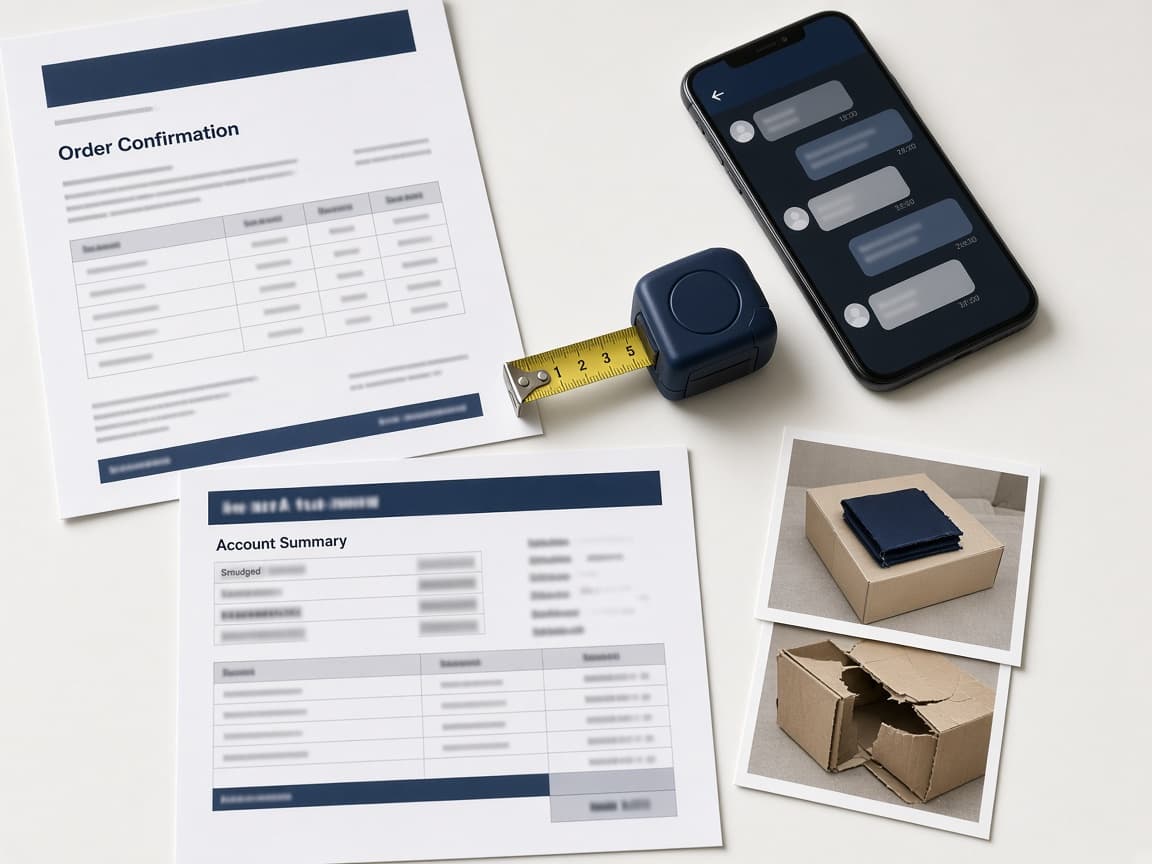
1. Save all documentation immediately
Save more than the order confirmation. If the webshop is closed or changes its details, your own copies can become important.
Take or save:
- order confirmation and receipt
- product description, images and promised delivery time
- the webshop’s terms and return policy
- the company’s name, address, registration number and web address
- all emails and chat messages
- tracking details
- bank statement or card transaction
- photos of the item and packaging you received
Also save dates for when you ordered, expected delivery and contacted the company.
2. Contact the webshop in writing
Before you can dispute a card payment for an online purchase, you normally need to have contacted or tried to contact the company. Do it in writing so you can document the attempt.
Write briefly and specifically:
I ordered [item] on [date] with order number [number]. The item should have been delivered on [date], but I have not received it. I therefore ask for delivery or a refund of [amount] by [reasonable date]. If I do not hear from you, I will contact my bank and dispute the payment.
Adapt the text to the situation. If you received a wrong or faulty item, describe the difference and attach photos.
3. Contact the bank if you paid by card
If the webshop does not solve the problem or does not reply, contact the bank as soon as possible. The bank typically has a form for disputing card payments.
You may among other things have a chance of a chargeback if:
- the item is never delivered
- you receive a completely different item from the one you ordered
- the shop charges a larger amount than agreed
- payments are taken that you did not approve
A defect does not automatically give a right to chargeback. If you ordered a dress and received it in the wrong size, the item was delivered but may be defective. That case should usually first be handled under the rules on complaints about faults. Some payment cards give better protection than the legal minimum, so ask the bank about the rules for your specific card.
Payment with a mobile app can be covered when the payment is made through a linked payment card. An ordinary transfer from online banking is not covered by the same chargeback rules.
4. Block the card if there are unknown payments
If you see payments you did not approve, or believe your card details have been misused, contact the bank immediately. Ask the bank to stop further payments and assess whether the card should be blocked.
Do not wait for a reply from a suspicious webshop if money is still being taken.
5. Use the right complaint route
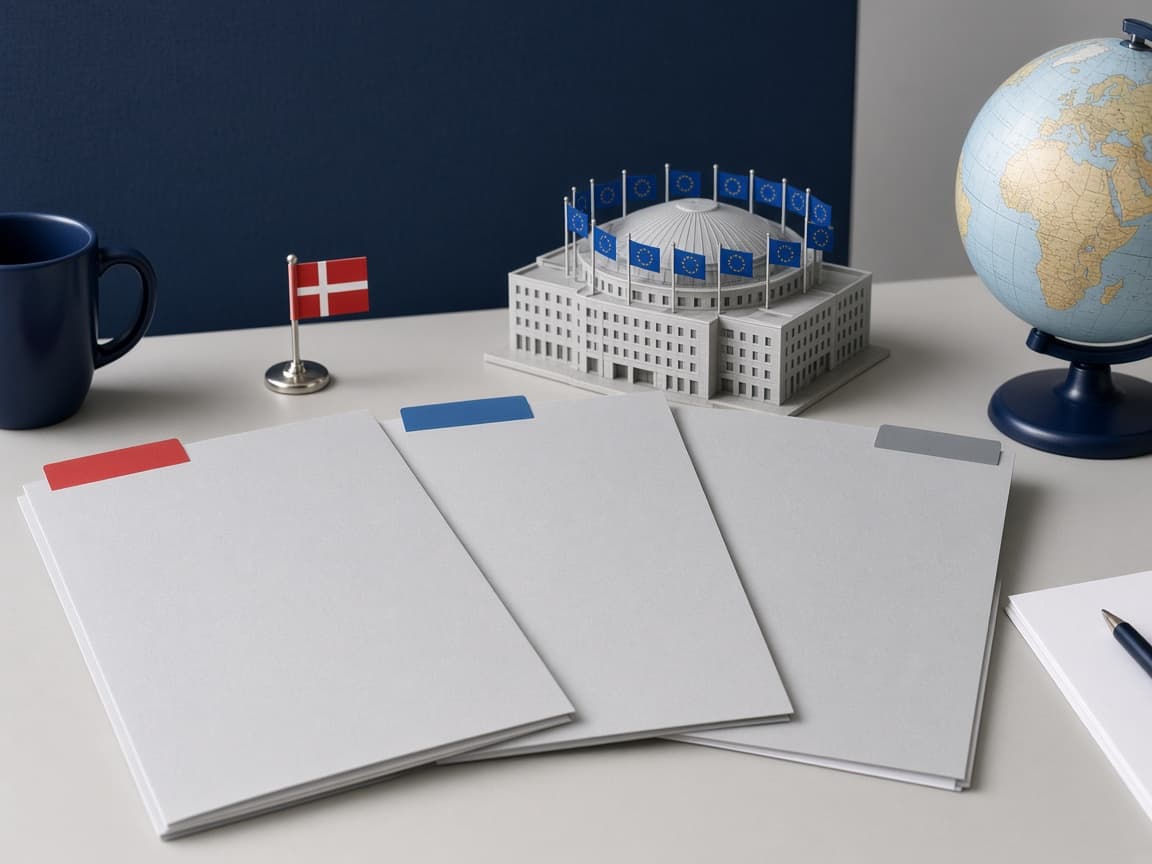
If this is a genuine dispute and not necessarily fraud, your complaint route depends on where the company is based:
- Danish company: Always start by complaining to the company. If you cannot find a solution, the Consumer Complaints Mediation Team can help in relevant cases.
- Company in another EU country, Norway, Iceland or the United Kingdom: European Consumer Centre Denmark can offer free guidance and in many cases help with a cross-border complaint.
- Company outside the EU: Danish rules can in some cases apply if the shop directs its marketing at Denmark, but it can be difficult to enforce the claim in practice.
6. Report suspected fraud
If you believe the webshop was set up to cheat customers, you can report online financial fraud to the police. The police recommend that you use MitID and keep all documentation — including after the report has been sent.
A report does not automatically get your money back, so still contact the bank in parallel if you can dispute the payment.
7. Warn others in factual terms
A factual review can help others. Write what you ordered, when it happened, what was promised, and how the shop responded. Avoid assumptions you cannot document.
You can also tip the platform or social network where you saw the advert, if it is still sending users to the suspicious shop.
The short checklist
- Save evidence and take screenshots.
- Contact the webshop in writing.
- Contact the bank as soon as possible.
- Block the card if there are unknown payments.
- Use the relevant complaints body.
- Report suspected fraud to the police.
Shopeye cannot remove the risk of online shopping or guarantee that a shop will deliver. But a check before payment can make unclear company details, new domains, suspicious reviews and problematic return terms easier to spot while you can still choose not to buy.
Sources
Use Shopeye as your extra check before the next online purchase
How it worksWhat we checkMarkdown
Related posts
How to check a webshop's CVR number
A CVR number that exists only shows that there is a company with that number. It does not show that it is the company you are about to buy from.
What is dropshipping — and when should you be careful?
With dropshipping the webshop typically does not hold the item in its own warehouse. That can work well, but you should know where the item comes from and where it must be returned.
Fake reviews: 7 signs you should not ignore
Five stars feel reassuring, but the average does not tell the whole story. Look for patterns, timing and concrete experiences.